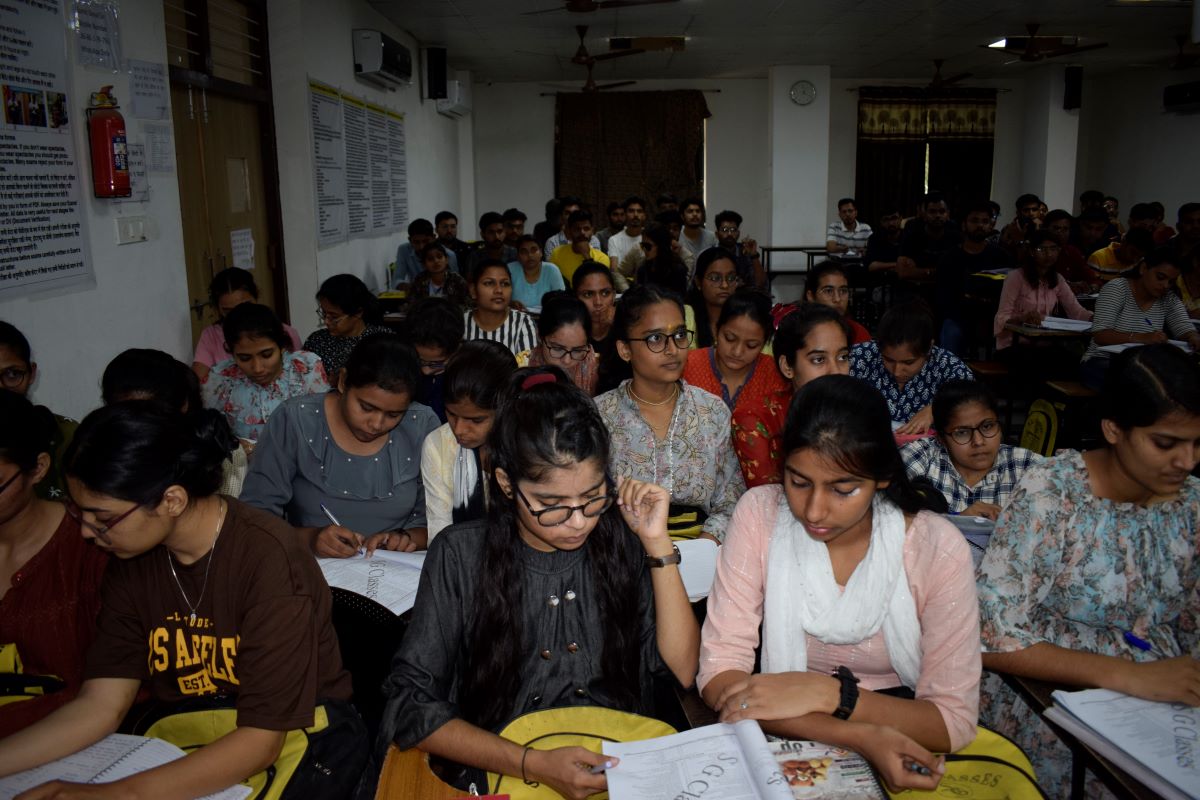
Studying with complete concentration is one of the biggest challenges students face during their academic journey. Many students spend several hours sitting with their books but fail to complete their daily targets because their attention shifts towards mobile phones, social media, conversations, unnecessary thoughts, and other activities. Learning how to Avoid Distractions While Studying is essential for students who want to use their study time effectively, understand concepts better, and improve their examination performance. Whether you are preparing for school examinations, college tests, SSC, Banking, Railway, RPSC, or other government competitive examinations, maintaining concentration can make a significant difference in your preparation. Students in Ajmer often manage coaching classes, self-study, revision, and mock tests together, making proper time management and a disciplined study routine particularly important. The good news is that concentration is a skill that can be improved through regular practice and a few practical changes in your daily habits. By creating a suitable study environment, controlling digital distractions, setting realistic goals, and using effective learning techniques, you can make your study sessions more productive.
Why Is It Important to Avoid Distractions While Studying?
Distractions may appear harmless at first, but repeatedly interrupting your study sessions can affect your concentration, understanding, and ability to remember important information. For example, when you stop studying to check a mobile notification, your attention moves away from the subject, and it takes additional effort to return to the same level of concentration. This becomes particularly problematic for students preparing for competitive examinations because subjects such as Mathematics, Reasoning, English, and General Knowledge require regular practice and consistent attention. Another common problem is studying without a clear objective, as students often waste valuable time deciding what to study next instead of completing planned tasks. Unnecessary conversations, background noise, social media, gaming applications, and television can also interrupt the learning process and reduce the quality of your preparation. Therefore, learning to avoid distractions while studying is not simply about increasing study hours; it is about improving the quality of every hour you spend learning. When you understand your common distractions and develop the habit of controlling them, you can complete your syllabus more systematically, revise important topics regularly, and approach examinations with greater confidence.
How to Create a Distraction-Free Study Environment
Your surroundings have a strong influence on your ability to concentrate, so creating a suitable study environment should be one of your first priorities. Choose a quiet place where you can sit comfortably, arrange your books, and study without frequent interruptions from family members, friends, or household activities. A dedicated study table is generally more effective than studying on your bed because it helps your mind associate a particular place with learning and concentration. Keep your desk clean and organised by placing only the books, notebooks, stationery, water bottle, and other materials required for your current study session within reach. Mobile phones should be kept away from your study table whenever possible because even a quick glance at notifications can interrupt your attention and encourage unnecessary browsing. If noise is a problem, try studying in a quieter room, using earplugs, or playing soft background sounds that do not interfere with your understanding of the subject. Students who find it difficult to concentrate at home can also consider a dedicated library environment where they can study alongside other learners who are focused on their preparation. Managing digital distractions is equally important because mobile phones and the internet have become major sources of interruption for students. Social media platforms, short videos, gaming applications, messages, and entertainment websites can consume a considerable amount of time without providing any academic benefit. Before starting your study session, activate Do Not Disturb mode, turn off unnecessary notifications, and keep your phone in another room or somewhere that is not easily accessible. If you need a smartphone or laptop for online lectures and educational resources, use it only for the specific learning activity you have planned and close unrelated browser tabs. You can also use website blockers or application restrictions to temporarily prevent access to distracting platforms during important study hours. Another useful habit is to decide in advance when you will check messages and social media, such as during lunch breaks or after completing your daily study targets. By establishing clear boundaries between learning and entertainment, you can use technology productively without allowing it to control your attention.
Build a Smart Study Timetable and Follow Effective Learning Techniques
A proper study timetable helps you organise your daily preparation and prevents unnecessary confusion about which subject or chapter you should study next. Instead of setting unrealistic targets such as studying for ten hours without interruption, divide your syllabus into smaller tasks that can be completed within specific time periods. For example, you can plan to solve 25 Mathematics questions, revise one chapter of General Knowledge, practise a set of Reasoning problems, or complete a particular English exercise. Students preparing for SSC, Banking, Railway, and RPSC examinations should organise their schedules according to the examination syllabus, subject difficulty, and individual learning requirements. Try to study difficult subjects during the hours when you feel most energetic and reserve lighter activities, such as revising short notes, for periods when your concentration is naturally lower. You should also include time for revision, mock tests, practice papers, and breaks instead of filling your entire timetable with new chapters. At the end of each day, review your completed tasks and prepare the next day’s targets so that you begin your study session with a clear direction. One effective way to maintain concentration is the Pomodoro Technique, which divides study time into focused intervals followed by short breaks. A common approach is to study for 25 minutes without interruption and then take a five-minute break before starting another session, although students comfortable with longer periods can try 45–50 minutes of focused study followed by a 10-minute break. During each interval, concentrate on one particular subject or task instead of switching between multiple activities, checking notifications, or browsing unrelated websites. Use your breaks to stretch, drink water, walk around, or relax your eyes rather than spending the entire time scrolling through social media. Along with time management, active learning can make your study sessions more interesting and productive because it requires you to participate in the learning process rather than simply reading the same information repeatedly. Try solving previous-year question papers, preparing flashcards, writing short summaries, explaining concepts in your own words, and testing yourself without looking at your notes. These techniques encourage active recall, help identify weak areas, and make it easier to remain mentally involved in your preparation.

Develop Healthy Habits to Improve Concentration and Memory
Concentration is closely connected with your physical health, sleeping habits, and mental well-being, which means that effective studying requires more than just sitting with books for long hours. Students who regularly sleep late, skip meals, drink insufficient water, or avoid physical activity may experience tiredness and difficulty maintaining attention during study sessions. Try to follow a consistent sleeping schedule and get sufficient rest so that your mind feels refreshed when you begin studying. Include simple physical activities such as walking, stretching, cycling, or light exercise in your daily routine to reduce inactivity after spending several hours at a desk. Eating balanced meals and drinking enough water can also help you maintain energy throughout the day, particularly during demanding examination preparation periods. If personal worries, examination pressure, or difficult subjects interrupt your concentration, write down your concerns and divide large preparation targets into smaller tasks that feel easier to manage. Remember that you do not need to study continuously throughout the day; planned breaks and sufficient rest are important parts of a productive learning routine. Another useful habit is to maintain a weekly revision schedule so that previously studied topics remain fresh in your memory while you continue learning new chapters. Many students focus heavily on completing the syllabus but postpone revision, which can make it difficult to remember formulas, definitions, important dates, and concepts during examinations. Reserve specific days or study sessions for revising previous chapters, solving topic-wise questions, and attempting mock tests under timed conditions. After completing a mock test, carefully analyse your incorrect answers and identify the subjects or concepts that need additional attention instead of focusing only on your final score. You can also maintain a separate notebook for important formulas, frequently repeated questions, difficult concepts, and mistakes that you make during practice. This approach gives your preparation a clear direction and helps you use your study hours more effectively. Consistent revision, self-testing, and regular practice gradually develop confidence and make it easier to avoid distractions while studying.
How SG Classes Helps Students Develop Better Study Habits in Ajmer
Students preparing for government examinations in Ajmer need a combination of proper guidance, disciplined self-study, regular revision, and a suitable learning environment to make consistent progress. SG Classes supports students preparing for examinations such as SSC, Banking, Railway, RPSC, and other government recruitment tests through its educational and coaching programmes. However, classroom learning becomes more effective when students revise the topics taught by their teachers, complete their practice work, and follow a consistent self-study schedule. Students should set daily targets after their classes, identify difficult subjects, practise previous-year questions, and regularly review their progress instead of depending entirely on classroom learning. Having access to a quiet study environment can also make a difference, particularly for students who find it difficult to concentrate at home because of noise or other interruptions. The S G Library at the SG Classes Campus in Ajmer provides a dedicated place for students who prefer a focused environment for independent study and examination preparation. Students can visit the SG Classes official website to explore its educational support and coaching-related information. Building strong study habits takes time, and students should not expect their concentration to improve completely within a single day. Start with small changes, such as keeping your phone away for one study session, completing a realistic daily target, or revising one difficult chapter without interruption. Gradually increase your focused study periods as you become more comfortable with your routine, and avoid comparing your preparation speed with that of other students. Every learner has different strengths, weaknesses, and concentration levels, so your timetable should reflect your personal requirements and examination goals. If you miss a target on one day, identify the reason and make a practical improvement instead of losing motivation or abandoning your schedule. With proper guidance, regular practice, healthy habits, and a disciplined approach, students in Ajmer can improve their concentration and prepare more confidently for academic and competitive examinations.
Conclusion
Learning how to avoid distractions while studying is about developing better habits rather than forcing yourself to study for endless hours. Create a quiet study environment, control mobile phone usage, prepare realistic daily targets, and follow a timetable that includes sufficient time for revision and breaks. Use active learning methods such as flashcards, practice questions, self-testing, and previous-year papers to make your preparation more engaging and effective. Remember that concentration develops through regular practice, so focus on maintaining consistency instead of expecting immediate results. Whether you are preparing for SSC, Banking, Railway, RPSC, or other competitive examinations in Ajmer, organised preparation and disciplined study habits can help you make meaningful progress towards your goals.
FAQs
Have questions? We’ve answered some of the most common queries to help you understand the topic better
Q1. How can I avoid distractions while studying?
Keep your mobile phone away, choose a quiet study space, follow a timetable, and set specific targets for every study session.
Q2. What is the best time to study?
The best time depends on your daily routine and energy levels. Choose the hours when you feel most alert and can concentrate without interruptions.
Q3. How does the Pomodoro Technique improve concentration?
It divides study time into focused intervals and short breaks, helping students maintain attention and manage mental fatigue.
Q4. How can I stop using my phone while studying?
Activate Do Not Disturb mode, disable unnecessary notifications, keep your phone away, and check messages only during planned breaks.
Q5. How many hours should I study daily for competitive examinations?
There is no fixed number of hours for everyone. Focus on completing daily targets, understanding concepts, revising regularly, and practising questions consistently.
Post a comment Cancel reply
Related Posts
What Should Students Check Before Taking a Hostel?
Moving to a new city for education is an important decision, especially for students who…
Government Exam Coaching in Bhilwara – Prepare with SG Classes
Preparing for a government job is a common career goal for students and graduates in…
Should Your Child Join Coaching or Study at Home?
Choosing between coaching classes and studying at home is an important decision for parents who…
Government Exam Coaching in Nasirabad
Preparing for a government job is a goal shared by many students who want a…